

There’s a special feeling you get from walking into a local butcher shop. It’s the smell of fresh meat, the sight of skilled hands at work, and the trust you have in the person behind the counter. For years, grocery stores tried to push these spots out, but people are coming back, hungry for something better.
Estimated reading time: 10 minutes
Table of contents
- Butcher Shop Trends
- Online Meat Shopping is Now Mainstream
- You Want to Know the Story Behind Your Steak
- The Biggest Butcher Shop Trends Focus on Skill
- Sustainable and Ethical Sourcing Matters More Than Ever
- Even Butcher Shops Are Offering Plant-Based Foods
- Ready-to-Cook Items Make Dinner Easy
- Customized Meat Subscription Boxes
- Working with Local Chefs and Restaurants
- A Return to Nose-to-Tail Eating and Offal
- Technology is Improving the Customer Experience

Butcher Shop Trends
We are seeing a major shift in the global meat industry because of changing consumer demands. It is worth paying attention to the latest butcher shop trends that are redefining meat markets. This shift reflects a deeper desire for quality, transparency, and a better overall customer experience.
Data shows nearly all U.S. households, a whopping 98%, buy meat products regularly. This contributes to a retail market size of over $99 billion, more than any other fresh food category. This love for high-quality meats is fueling the comeback of the modern butcher shop, which is adapting its product mix and services to what customers want today.
Online Meat Shopping is Now Mainstream
Remember when the idea of online ordering for a ribeye seemed strange? Those days are gone. More people are buying their meat from a website than ever before, making it one of the most significant changes in the shop industry.
Just a few years ago, in 2019, only about 39% of shoppers bought meat online. Fast forward to today, and that number has jumped to 61%. Even meat suppliers are getting in on the action, with direct-to-consumer shipments shooting up from 9% to 25% in just one year. This trend isn’t just happening in North America; it’s a growing part of the market in the United Kingdom as well.
This is all about blending convenience with quality. A great online customer experience depends on an easy-to-use website and high-quality images that accurately show the raw cuts. Modern butchers are making it simple for you to get what you want, when you want it, right from your home.
You Want to Know the Story Behind Your Steak
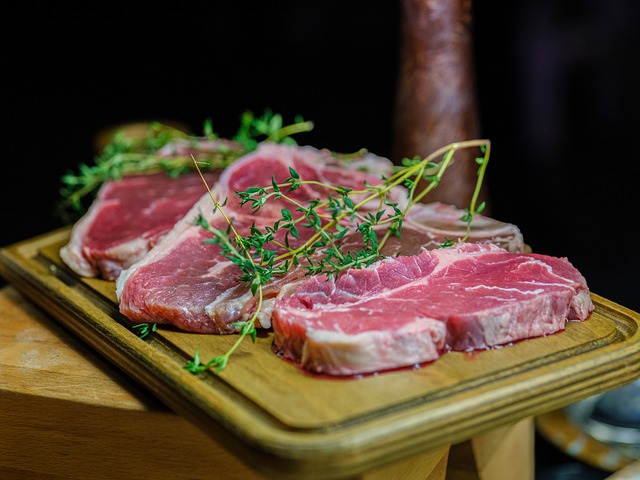
These days, a simple “grass-fed” sticker isn’t enough for consumers increasingly mindful of their food’s origins. People want to know more about where their food comes from. Are you one of the many consumers seeking the full story, from the farm it was raised on to how it was butchered?
This desire for a clear history is changing how butcher shops operate. Some are putting QR codes on their packaging that you can scan with your phone to see the entire journey of your purchase. The traceability label label on the package provides key information about the farm and even the specific animal, which directly addresses customer preferences for transparency in meat production.
This is not just a marketing gimmick. Research on pork purchasing behavior shows that when people trust these labels, they are more likely to buy traceable meat. It creates a connection, builds confidence in the food you’re about to eat, and fosters trust in the butcher who provides it. Butchers also use social media to share stories from their partner farms, strengthening this connection, sometimes outsourcing the work to a reliable video editor.
The Biggest Butcher Shop Trends Focus on Skill
The art of butchery is making a huge comeback. People are tired of the limited, plastic-wrapped selections at the conventional grocery store. They are searching for something more interesting, and they are finding it at their local butcher shop.
Demand for specialized products like oxtail, lamb ribs, and top-blade steak is on the rise, according to industry reports. These are the kinds of product offerings you rarely find at a big chain supermarket. A skilled modern butcher knows exactly how to prepare these custom cuts.
Artisanal shops are where you go for this experience. Shops like Beltex Meats in Salt Lake City focus on using the entire animal. This practice reduces waste and leads to some amazing and flavorful new cuts for you to try. It brings a sense of adventure back to cooking and introduces people to things like gourmet sausages and other value-added meat products.

Sustainable and Ethical Sourcing Matters More Than Ever
How our food affects the planet is a big deal for many of us, and ethical practices are becoming a major factor in our buying decisions. This has a huge effect on the meat industry, as health-conscious consumers want to feel good about the meat they buy. Concerns about the environmental impact of meat consumption are growing.
The International Food Information Council found that about 34% of Americans now say sustainability is a top priority when they purchase meat. This is not a small group; it is a powerful force changing the market meat landscape. Butcher shops are listening, particularly regarding red meat production.
They’re partnering with regenerative farms that work to improve soil health and promote animal welfare. They support small-scale local farmers and commit to using the whole animal to cut down on waste. When you buy from a butcher with these values, you support a healthier food system, which may even encourage people to not reduce meat in their diets, but to choose it more carefully.
Even Butcher Shops Are Offering Plant-Based Foods
Here is a twist you might not expect from traditional meat markets. Butcher shops are starting to sell plant-based alternatives. It might sound strange, but it is a really smart business move as the world of food continues to change.
The market for meat substitutes and alternative protein is growing fast, with the market expected to hit nearly $17 billion by 2028. Many modern families aren’t strictly meat-eaters or vegetarians; they might practice “Meatless Mondays” or want to eat less processed meat. Younger generations are especially open to buying plant-based products.
Butchers are responding by offering high-quality veggie burgers or house-made sausages right alongside their traditional meat offerings. Some places, like The Herbivorous Butcher in Minneapolis, are entirely vegan, using butchery skills to create amazing plant-based “meats” and “cheeses.” This proves that an expanded product mix can cater to a wider audience.
Ready-to-Cook Items Make Dinner Easy
Life is busy. Sometimes, the last thing you want to do is start a complicated recipe from scratch. Butcher shops get this, which is why one of the most helpful butcher shop trends is the rise of value-added products.
These are items that save you time without sacrificing quality. Think about pre-marinated chicken breasts, seasoned pork loins, or ready-to-grill kebabs. Industry reports show this is a major growth area for specialty meat markets, as these items help them stand out from large grocery stores that often sell processed meat products.
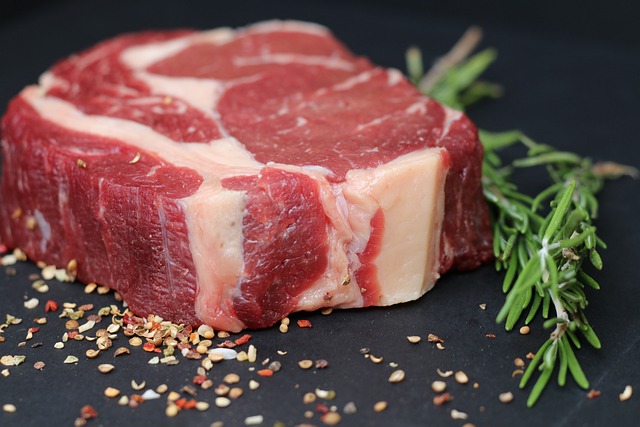
A good butcher can use their expertise to create amazing marinades and spice rubs for value-added meat. They are doing the prep work for you, which might mean slightly higher prices, but the convenience is often worth it. This transforms the butcher from just a seller of meat into a partner in your kitchen, helping you get a delicious dinner on the table faster.
Customized Meat Subscription Boxes
Subscription boxes are everywhere, and now they have come to the butcher shop. This model is perfect for people who value convenience but still demand high-quality meat. It is like having a personal butcher curating a box of goodies for you every month.
The market for meat subscription boxes is exploding. It’s projected to grow from $1.7 billion in 2024 to an incredible $7.1 billion by 2034. This shows just how much people love this idea. Companies like ButcherBox have become very popular by focusing on high-welfare meat and sustainability.
Local butchers are also creating their own subscription programs to build a loyal customer base. They can offer curated monthly boxes, seasonal specials, and even include recipes to go with the cuts. This is a great way for customers to discover new types of specialty meat while enjoying the ease of home delivery. On the checkout page, you might see a checkbox label asking if you’d like to make your order a recurring subscription.
Working with Local Chefs and Restaurants
Have you ever had an amazing steak at a restaurant and wished you could make it at home? A growing trend is the close relationship between butchers and local chefs. This teamwork benefits everyone, especially you.
When a respected local chef sources their meat from a particular butcher, it is a powerful seal of approval. It tells you that the quality is top-notch. These partnerships can lead to co-branded products, like a chef’s signature sausage, available only at that butcher shop, or even pop-up events at the location.
Some butchers, like Albert Matthews in the United Kingdom, work with the food service industry to create exclusive cuts and blends. These collaborations build a strong sense of community. They also give you access to restaurant-quality products and culinary inspiration.
A Return to Nose-to-Tail Eating and Offal
Prime cuts will always be popular, but there is a renewed interest in using the entire animal. This “nose-to-tail” philosophy is both sustainable and adventurous. It also means bringing back offal, or organ meats, to the butcher’s case, a notable trend in the industry.
For a long time, things like liver, heart, and sweetbreads were overlooked in many places. But they are making a comeback. The global market for these edible organ meats is expected to reach $58.2 billion by 2030. Why the sudden interest?
First, it is about reducing waste, which aligns with sustainability goals. Second, many of these cuts are incredibly nutritious, packed with vitamins and minerals. And for the home cook looking for a new challenge, they offer exciting flavors at a more affordable price than prime raw cuts.

Technology is Improving the Customer Experience
Finally, technology is playing a big role behind the scenes. Modern butcher shops are using tech to run a smarter business. This results in a better experience for you.
Modern Point of Sale, or POS, systems do more than just handle payments. They help the butcher with inventory management with incredible precision. These systems also provide valuable market insights by tracking what customers buy, which can be seen in a simple checkbox label label on an internal report.
This allows them to give you a more personal experience. They can let you know when your favorite cut is back in stock or suggest something new they think you’ll love. Technology is helping butchers streamline their work so they can focus more on what they do best: providing great meat and excellent service.
| Feature | Traditional Butcher Shop | Modern Butcher Shop |
| Product Offerings | Focused on traditional meat and raw cuts. | Expanded product mix with custom cuts, value-added products, and plant-based alternatives. |
| Sourcing Focus | May have long-standing suppliers, but transparency was not a priority. | Emphasis on traceability, animal welfare, and sustainable meat production. |
| Customer Experience | In-person service based on counter transactions. | Omnichannel approach with online ordering, meat subscription boxes, and educational content. |
| Technology Use | Basic cash register and scale. | Advanced inventory management, POS systems for market insights, and social media for marketing. |
The neighborhood butcher is evolving in exciting ways. They are blending old-world skills with modern demands for convenience, transparency, and sustainability. These butcher shop trends show a move toward a more conscious and connected way of buying and eating meat.
A forward-thinking butcher understands that adapting to customer preferences is crucial for success. By embracing technology, expanding their product offerings, and telling the story behind their meat, they are building a stronger business. They are no longer just a place to buy meat; they are becoming a vital part of our communities again.
Whether it is through a monthly subscription box, a special cut suggested by a chef, or just knowing the name of the farmer who raised your beef, the local butcher shop offers a richer connection to our food. The comeback is real, and the future for the modern butcher looks bright.