

Enjoyed this recipe? Add us to your Google Search Preferred Sources:
Most accounts send mulligatawny from South India to Britain and stop there. Ours didn’t. This hot, sour soup also travelled into Singapore and Malaysia, where it became part of colonial, Eurasian and family cooking – including mine.
Estimated reading time: 14 minutes
Table of contents
- What is Mulligatawny Soup?
- How Mulligatawny Came to Singapore and Malaysia
- An Early Written Recipe for Mulligatawny
- Is Mulligatawny a Eurasian Dish?
- My Mulligatawny Soup Recipe
- Mulligatawny Ingredients
- How to Make Mulligatawny Soup
- How to Serve Mulligatawny
- How to Store Leftovers
- Mulligatawny Variations
- Mulligatawny Soup FAQs
- Final Word
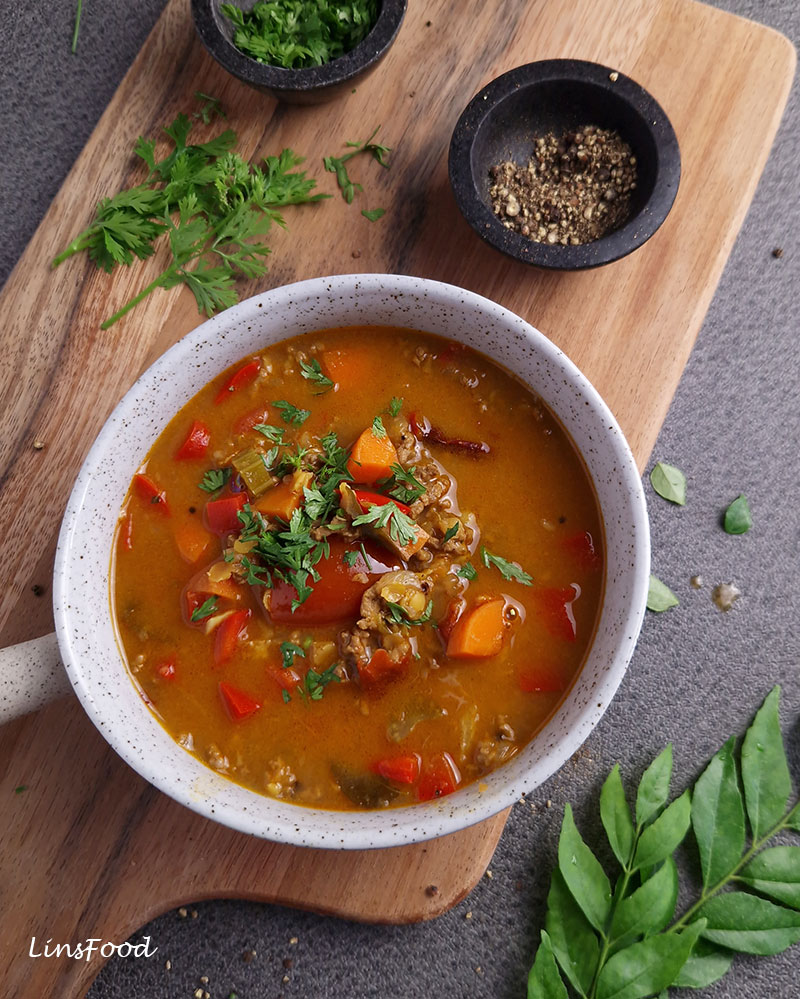
What is Mulligatawny Soup?
Mulligatawny is a peppery, spiced soup with roots in South India. The name comes from the Tamil words milagu, meaning pepper, and tannir or thanni, meaning water. Pepper water, in other words.
That sounds wonderfully straightforward. The soup itself is anything but.
Once the British in India got hold of the idea, the light, sharp pepper water began acquiring meat, stock, onions, rice, lentils, coconut, flour, butter and whatever else a particular cook considered necessary. Chicken versions appeared. Mutton versions appeared. There were thin mulligatawnies, thick mulligatawnies and even clear ones, for people who felt soup required more administration.
There has never been one definitive mulligatawny soup recipe. It changed between regions, households and cooks almost from the beginning.
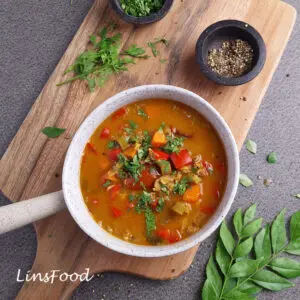
My family’s version is the one I grew up eating in Singapore and Malaysia. It’s made with minced beef, red lentils, tomatoes, tamarind, curry leaves, chilli and a generous amount of black pepper. There’s no apple and no cream. It’s filling without being heavy, properly hot and sour, and still recognisably connected to the pepper water behind its name.
How Mulligatawny Came to Singapore and Malaysia
The earliest known written mention of mulligatawny in English dates to 1784. It appears in a song attributed to a British naval prisoner during the Second Anglo-Mysore War:
In vain our hard fate we repine;
In vain on our fortune we rail;
On Mullaghee-tawny we dine,
Or Congee in Bangalore Jail.
It shows that the name was already familiar to British men in southern India by the late eighteenth century.
Seven years later, “mulagatwy” appeared in the handwritten recipe collection of Stephana Malcolm in Scotland, see below. Her family had extensive connections with the East India Company and the Royal Navy, the sorts of networks through which recipes, ingredients and a taste for Indian dishes travelled.
Mulligatawny didn’t only go west to Britain. It also moved east through the same British imperial system.
Penang, Malacca and Singapore were brought together as the Straits Settlements in 1826 and governed through British India until 1867. Officials, soldiers, merchants, domestic habits and kitchen knowledge moved between India and the Straits. So did curry, kedgeree, pish-pash, tiffin and mulligatawny.
Asian domestic cooks were at the heart of this process. These cooks weren’t simply copying British instructions. They were preparing the food, working with local ingredients and tastes, and adapting dishes repeatedly. The result was a colonial cuisine made in Asian kitchens.
By the 1880s, mulligatawny was being served in Singapore’s tiffin rooms. Emmerson’s Tiffin Rooms, near the busy waterfront, advertised a lunch of mulligatawny followed by Malay chicken curry and rice.
The dish continued in hotels, clubs, cookbooks and homes across Singapore and Malaya, before it started falling out of favour because of changing habits and thoughts on colonialism. In 1976, a letter in The Straits Times was already mourning the disappearance of the traditional Sunday curry tiffin, which began with mulligatawny before moving on to curries, rice and all the necessary accompaniments.
An Early Written Recipe for Mulligatawny
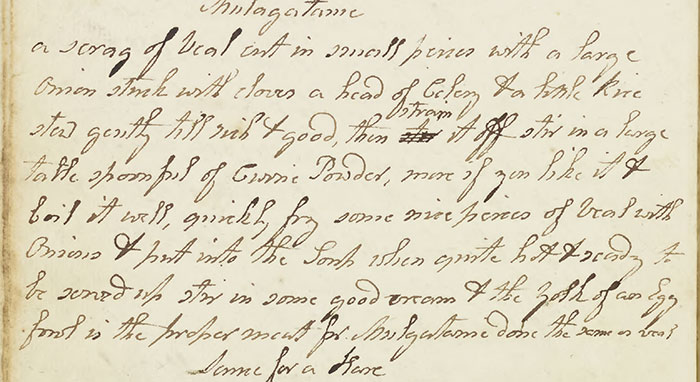
One of the earliest surviving recipes for mulligatawny appears in Stephana Malcolm’s handwritten Burnfoot House recipe book, begun in 1790.
Malcolm’s version is already some distance from a simple South Indian pepper water. Veal is stewed with an onion stuck with cloves, celery and a little rice. The broth is strained and seasoned with curry powder before fried veal and onions are added. It’s then finished with cream and egg yolk.
She ends by noting that fowl is the “proper meat” for mulligatawny and should be prepared in the same way. It sounds surprisingly rich for such an early recipe, although anyone tempted by the egg yolk should add it gently unless scrambled mulligatawny is the desired outcome.
Is Mulligatawny a Eurasian Dish?
In Singapore, mulligatawny is also part of Eurasian food heritage. The National Heritage Board includes it among examples of Eurasian cuisine, alongside dishes such as beef smore, curry debal and sugee cake.
That doesn’t mean every Eurasian family makes the same mulligatawny, or that the dish belongs only to the Eurasian community. Eurasian food in Singapore and Malaysia was itself shaped by Portuguese, Dutch, British, Indian, Malay, Chinese and Peranakan influences.
In Malacca, mulligatawny also appears in memories of Eurasian Christmas meals. Many older Eurasians will tell you of eating it after Midnight Mass.
In our family, it was made with beef. I remember my grandma making rasam very often and occasionally turning it into mulligatawny. But it was my mum who cooked it more often than not after she retired.
This is why I’d describe mulligatawny as South Indian in origin, Anglo-Indian in its early transformation, and part of the colonial and Eurasian culinary inheritance of both Singapore and Malaysia. A dish doesn’t have to have been born in a place to acquire a real and lasting life there. Right?
My Mulligatawny Soup Recipe
This is a hot, sour and peppery beef mulligatawny, not the creamy British version made with chicken and apple.
The heat comes in layers: black pepper, dried chillies, fresh green chillies and chilli powder. Tamarind and optional lemon juice provide the sourness, while red split lentils break down as the soup simmers and give it body without the need for flour or cream.
The curry leaves, mustard seeds and whole spices give the broth its deeper aroma. Tomatoes and tomato purée add savoury richness, and the celery, carrot and capsicum make it substantial enough for lunch or a light dinner.
I’m using minced beef rather than beef strips here because it cooks quickly and stays tender. It’s also less bother.
Use lean beef mince with around 10% fat. Extra-lean mince will work, but a little fat brings flavour and gives the soup a better mouthfeel.
Mulligatawny Ingredients
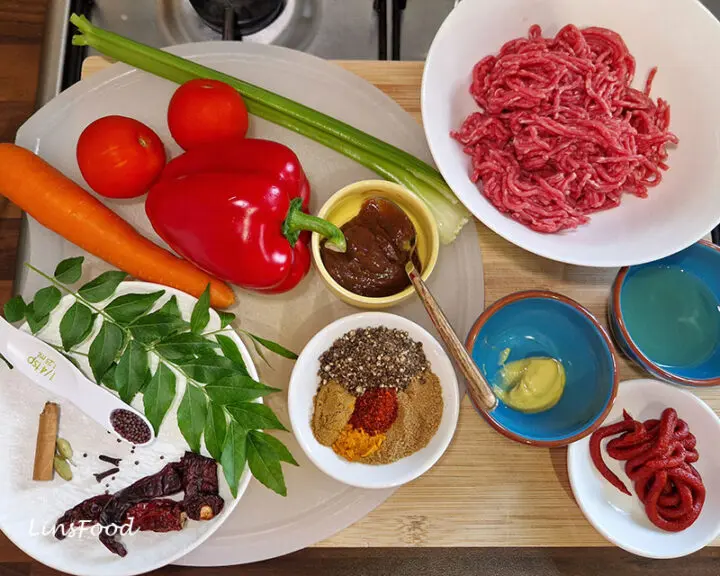
- Half-strength stock: Use half-strength beef or chicken stock so it supports the spices rather than making the soup overly salty. If one stock cube or stock pot normally makes 500 ml, use one for the full litre of water, unless your packet says otherwise.
- Beef mince: Beef was always used in the mulligatawny I grew up with, and mince is especially practical for this version. Brown it until it loses its raw colour, breaking it into small pieces so you get a little beef throughout the soup.
- Black pepper and chillies: Black pepper isn’t a token seasoning here; it’s the point of the name. Use coarsely ground black pepper for a fuller flavour and a little texture. For a gentler soup, use one green chilli and reduce the chilli powder to ½ teaspoon. I’d keep the black pepper as written unless you really nned it super mild. We are making pepper water, after all.
- Tamarind and lemon juice: Tamarind gives the soup its clean, fruity sourness. I use tamarind pulp from a block. If you’re using tamarind paste from a jar, start with 2 tablespoons. Brands vary enormously, so taste the soup near the end and add more if needed. Lemon juice is optional here, and added at the end if you would like it more sour.
- Red split lentils: The lentils soften and partly dissolve during cooking, thickening the broth without the need for flour or cream. Rinse them well under cold water before adding them to the pan.
- Curry leaves and whole spices: Fresh curry leaves, black mustard seeds, cinnamon, cardamom, cloves and dried chillies are fried in oil first. This draws out their flavour and builds the aromatic base of the soup. Fresh curry leaves are best, but they can be left out if you genuinely can’t find them. Dried curry leaves contribute very little beyond taking up room in your pantry cupboard.
How to Make Mulligatawny Soup
- Prepare the tamarind: Soak the tamarind pulp in hot water for 10 to 20 minutes. Squeeze and stir it with your fingers to loosen the pulp, then strain it through a medium mesh sieve or just get the solids out with your fingers. Keep the dark tamarind liquid and discard the fibres and seeds. Skip this stage if using shop bought tamarind.
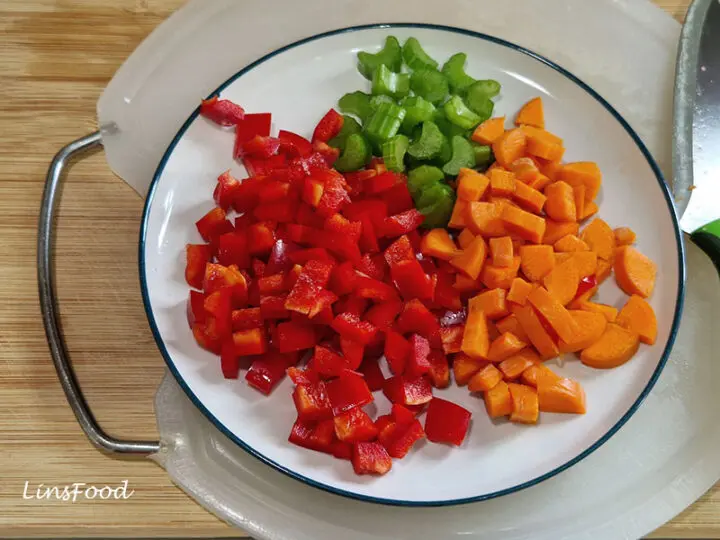
- Prepare the aromatics and vegetables: Finely chop the onion, garlic, ginger and green chillies. Chop the celery, carrot and capsicums into small, fairly even pieces, then quarter the tomatoes.
- Rinse and measure: Rinse the red lentils and measure all the spices before you begin. Once the mustard seeds start spluttering, they won’t pause politely while you look for the cumin.
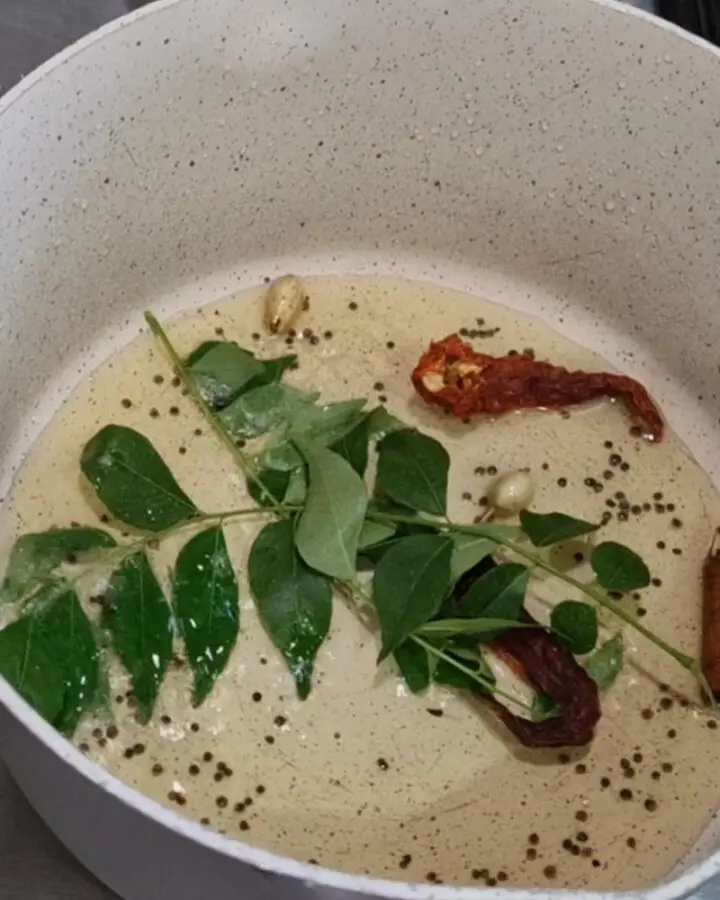
- Fry the whole spices: Heat the oil in a large, heavy-based saucepan over medium heat. Add the mustard seeds, cinnamon, cardamom, cloves, curry leaves and dried red chillies. Fry until the mustard seeds begin to pop and the curry leaves are fragrant. Take care, as both may spit.
- Cook the aromatics and beef: Add the onion, garlic, ginger and green chillies and fry for 2 minutes, stirring frequently. Add the minced beef, break it up with your spoon and cook for 3 to 4 minutes, until there are no large clumps and the meat has lost its raw colour.
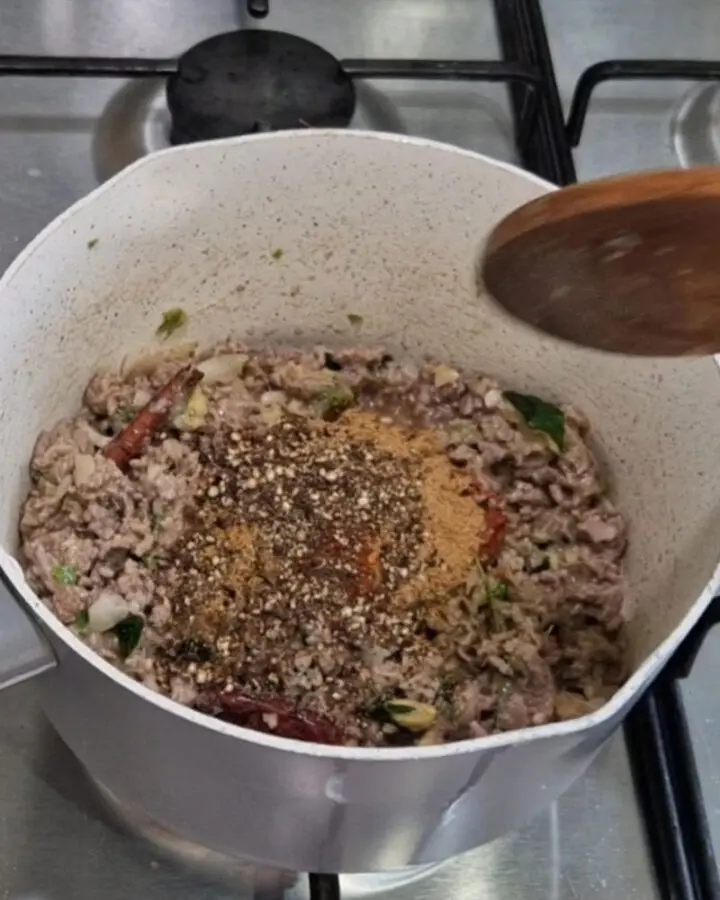
- Add the ground spices: Stir in the ground coriander, cumin, black pepper, turmeric and chilli powder. Fry for about 30 seconds, stirring so the spices coat the beef without catching on the bottom of the pan.
- Add the vegetables and liquids: Add the celery, carrot, capsicums and tomatoes, followed by the stock, strained tamarind liquid, tomato purée, prepared mustard and rinsed lentils.
- Simmer the soup: Stir well and bring to the boil. Lower the heat, partially cover the pan and simmer gently for 30 minutes, stirring occasionally. The lentils should be soft, the vegetables tender and the broth lightly thickened.
- Check the seasoning: Taste before adding salt, as the stock and mustard may already have provided enough. Add a little more tamarind, lemon juice, black pepper or chilli if needed.
How to Serve Mulligatawny
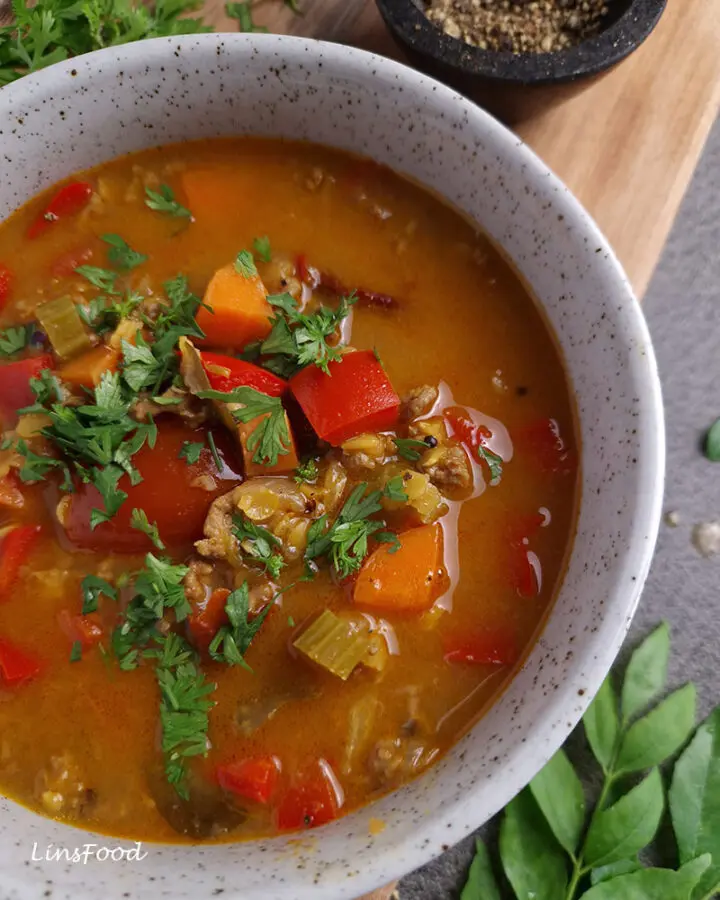
Serve mulligatawny hot, topped with chopped coriander and freshly ground black pepper. A few slices of green chilli are also right at home if you want even more heat.
It can be served on its own as a substantial soup, with bread for dipping, or with a small bowl of plain rice. Rice has accompanied mulligatawny from its earliest forms, although it doesn’t have to be cooked in the soup itself.
For a larger Singapore and Malaysia meal, serve smaller portions as part of th emeal. Or, if you fancy a little history, serve in small bowls as the first course before a curry and rice, in the old Sunday tiffin style. Waistcoats are entirely optional.
How to Store Leftovers
Cool leftover mulligatawny promptly and refrigerate it in a covered container for up to 3 days. Reheat it gently on the hob until piping hot throughout.
The lentils will continue to absorb liquid, so the soup will be thicker the next day. Add a splash of water or half-strength stock while reheating until it reaches the consistency you want.
Mulligatawny also freezes well for up to 3 months. It can be reheated on the stove or in the microwave oven. If you’re planning to freeze the whole batch, leave off the fresh coriander and add it only when serving.
Mulligatawny Variations
There have been variations of this soup for more than two centuries, so you’re in well-established company if you make a change.
- Chicken mulligatawny: Replace the beef mince with 250 g diced boneless chicken thigh. Brown it lightly, then continue with the recipe.
- Lamb mulligatawny: Use 200 g lamb mince in place of the beef. Its richer flavour works particularly well with the tamarind and black pepper.
- Vegetarian mulligatawny: Omit the beef, use vegetable stock and add a small diced courgette and half a diced aubergine with the other vegetables.
- With coconut milk: Replace 150 ml of the stock with coconut milk for a rounder, richer soup. Coconut appears in a number of Indian, British and Southeast Asian versions, although it isn’t part of my family recipe.
- Milder mulligatawny: Omit the green and dried chillies and reduce the chilli powder to ½ teaspoon. Keep the black pepper if you can, or the pepper water starts to lose the plot.
Mulligatawny Soup FAQs
Mulligatawny has roots in the pepper waters of South India, especially Tamil cooking. It was transformed into a more substantial soup in Anglo-Indian kitchens and later travelled through British colonial networks to Britain, Singapore, Malaysia and elsewhere.
The name comes from the Tamil milagu, meaning pepper, and tannir or thanni, meaning water. The English spelling changed repeatedly before settling into “mulligatawny”.
It didn’t originate in either country, but it has a long history in both Singapore and Malaysia. It became part of colonial tiffin culture and Eurasian cooking and was also adopted by families outside those settings.
No. Recipes have varied since the eighteenth century and may contain chicken, mutton, beef, lentils, rice, coconut, apple or cream.
Minced beef cooks quickly, remains tender during the 30-minute simmer and distributes evenly through the soup. It also makes the dish substantial without requiring a longer cooking time for a tougher cut of beef.
No. Apple is common in many modern British recipes, where it adds sweetness and helps thicken the soup, but it isn’t universal.
My Singapore and Malaysia family recipe uses tamarind, tomatoes and lentils instead.
Some versions do, but many don’t. Coconut milk gives a richer, milder result. This recipe leaves it out so that the tamarind, pepper, curry leaves and spices remain sharper.
Yes. As all brands varym start with 2 tablespoons. Add more to taste near the end of cooking.
This version is fairly hot and distinctly peppery. For less heat, reduce the green chilli and chilli powder, but try not to remove all the black pepper. It’s doing more than routine seasoning here.
No. You can serve it by itself or with bread. Plain rice is traditional and turns it into a more filling meal, but it can be offered separately rather than added to the soup.
Yes. The flavour is often even better the next day. The lentils will thicken the soup in the fridge, so add a little water or stock when reheating.
Yes. Freeze it in an airtight container for up to 3 months. Defrost it in the fridge and reheat until piping hot, adding a little water if it has become too thick.
Final Word
And there you have it: a soup with a South Indian name, an Anglo-Indian history and a long-established life in Singapore and Malaysia. Mine comes with minced beef, tamarind, curry leaves and enough black pepper to justify the name.
Make it, let me know what you think, and tag me on Instagram or Facebook @azlinbloor with a picture.
More soon,
Lin xx
Mulligatawny Soup Recipe
Ingredients
Whole spices
- ¼ tsp black mustard seeds
- 2.5 cm cinnamon stick
- 2 cardamom pods lightly bruised
- 2 cloves
- 2 small sprigs fresh curry leaves
- 2 dried red chillies
Ground spices
- 1 Tbsp ground coriander
- 1 tsp ground cumin
- 1 Tbsp coarsely ground black pepper
- ¼ tsp ground turmeric
- 1 tsp chilli powder or ½ tsp for less heat
Aromatics
- 1 medium onion
- 4 garlic cloves
- 5 cm fresh ginger
- 2 fresh green chillies
Vegetables
- 1 celery stick
- 1 carrot
- 1 red capsicum (bell pepper)
- 2 medium tomatoes
Everything else
- 2 Tbsp vegetable oil
- 200 g lean beef mince ideally around 10% fat
- 1 litre half-strength beef or chicken stock
- 3 Tbsp tamarind pulp or 3 Tbsp paste from a jar
- 4 Tbsp hot water (for the tamarind)
- 2 Tbsp tomato purée concentrate
- ¼ tsp Dijon mustard
- 4 Tbsp red split lentils rinsed
- Salt (if needed)
- fresh lemon juice (to taste, and only if you'd like it more sour)
To serve
- 1 handful fresh coriander leaves roughly chopped
- Freshly ground black pepper
- Sliced green chilli optional
- Plain cooked rice optional
Instructions
Prep Work
- Soak the tamarind pulp in the hot water for about 15 minutes while you get all the other ingredients ready. Squeeze and stir it, discarding the solids. We don't want to strain it unless you have a medium mesh sieve.Click here to read more about how to use tamarind.3 Tbsp tamarind pulp , 4 Tbsp hot water
- Finely chop the onion, garlic, ginger and green chillies, or place them in a chopper and chope to a semi fine state, as I do in the video. You could also pound them with a pestle and mortar.1 medium onion, 4 garlic cloves, 2 fresh green chillies, 5 cm fresh ginger

- Chop the celery, carrot and capsicum into small, even pieces. Quarter the tomatoes.1 celery stick, 1 carrot, 1 red capsicum, 2 medium tomatoes
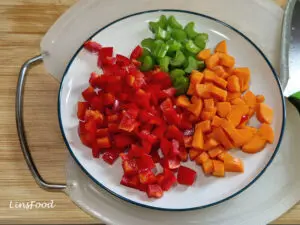
- Rinse the lentils and measure the spices.4 Tbsp red split lentils
Let's get Cooking
- Heat the oil in a large, heavy-based saucepan over medium heat. Add the mustard seeds, cinnamon, cardamom, cloves, curry leaves and dried chillies. Fry for 30 – 60 seconds until fragrant and the mustard seeds begin to pop.¼ tsp black mustard seeds, 2.5 cm cinnamon stick, 2 cardamom pods, 2 cloves, 2 small sprigs fresh curry leaves, 2 Tbsp vegetable oil, 2 dried red chillies
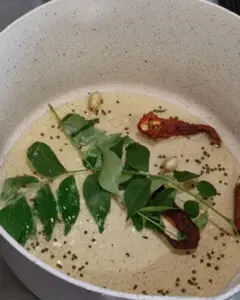
- Add the chopped onion, garlic, ginger and green chillies. Fry for 1 minute, stirring frequently.
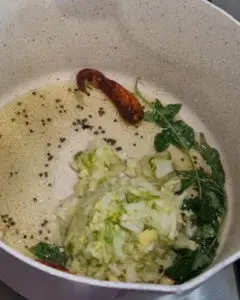
- Add the beef mince. Break it up and cook for 3 to 4 minutes, until it has lost its raw colour and there are no large clumps.200 g lean beef mince
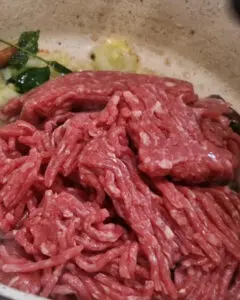
- Add the ground coriander, cumin, black pepper, turmeric and chilli powder. Stir and fry for 30 seconds.1 Tbsp ground coriander, 1 tsp ground cumin, 1 Tbsp coarsely ground black pepper, ¼ tsp ground turmeric, 1 tsp chilli powder
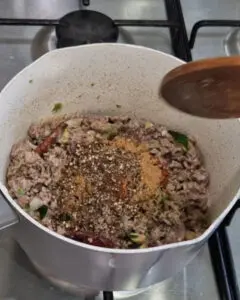
- Add the celery, carrot and capsicums. Stir to coat them in the spiced beef mixture.
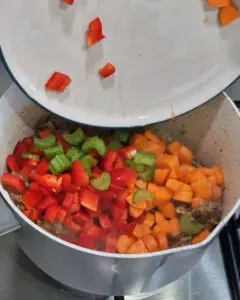
- Pour in the stock and tamarind liquid. Add the tomato purée, mustard and rinsed lentils, then mix well.1 litre half-strength beef or chicken stock, 2 Tbsp tomato purée concentrate, ¼ tsp Dijon mustard

- Bring to the boil, lower the heat and partially cover. Simmer gently for 30 minutes, stirring occasionally, until the lentils are soft and the vegetables are tender.

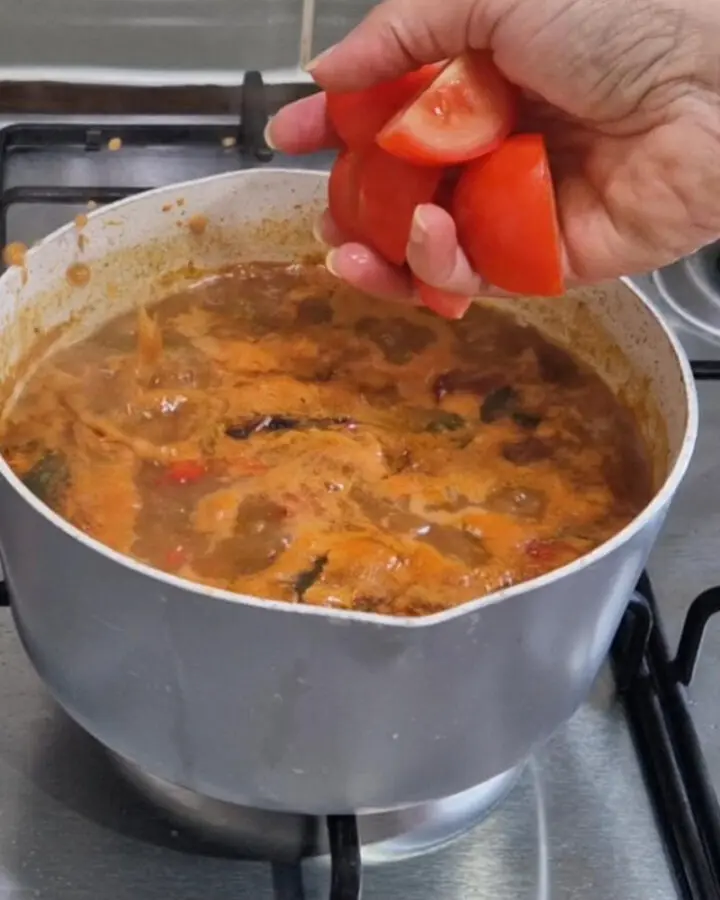
- About 5 minutes from the end of cooking time, add the tomatoes. I leave them this late so they'll still retain their shape. But if you want them falling apart, add them earlier.

- Taste and add salt if needed. This will depend on how salty your stock is and also how much you love your salt! Adjust the tamarind and black pepper taste. Also, if you want it more sour, add some lemon juice.Salt, fresh lemon juice
- Ladle into bowls and finish with coriander, black pepper and sliced green chilli. (optional). Serve alone with baguette or with plain rice.1 handful fresh coriander leaves, Freshly ground black pepper, Sliced green chilli
Notes
- For a milder soup, omit the dried chillies and reduce the chilli powder to ½ teaspoon.
- If using concentrated smooth tamarind paste, start with 1 teaspoon mixed with the 4 Tbsp hot water, then adjust to taste.
- Half-strength stock prevents the soup from becoming too salty as it simmers.
- Leftovers keep in the fridge for up to 3 days or in the freezer for up to 3 months. Add water or stock when reheating if the soup has thickened.
Nutrition
Enjoyed this recipe? Add us to your Google Search Preferred Sources: