

We may be accused of bias but I am going to come out and say it anyway. Malaysian food and Singaporean foods are some of the best in the world. You just can’t beat some of these Asian cuisines. Singapore is the food capital of the world in many peoples’ opinions (and we’d struggle to argue against it).
Neither country is known for producing wine, so we look to the West for wine pairings that work well. Some of them work exceptionally well. It is definitely a good idea to experiment with these varieties if you are looking to try and come up with a perfect mix.
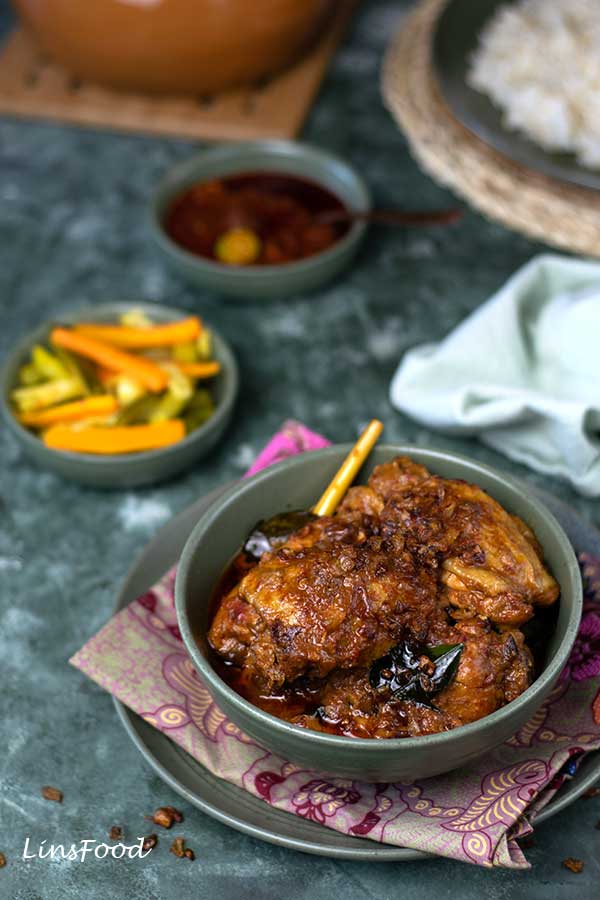
Savoury Umami: Balancing Bold Flavours
Singaporean and Malaysian cuisines are also rich in umami, but not everybody knows what that means! They are savoury and often earthy flavours that create depth and complexity in dishes. Soy sauce, fish sauce, and fermented shrimp paste are just a few of the ingredients that contribute to this umami richness.
To complement these flavours some people consider a wine with earthy, savoury notes. One that fits the bill is a Pinot Noir. This red wine is often known for its light and easy body and complex flavours and can handle the umami without overpowering the dish. It pairs especially well with soy-based dishes like char kway teow, where the wine’s subtlety matches the dish’s depth.
For a bolder pairing, a Shiraz with its peppery notes and dark fruit flavours can also work well with umami-packed dishes. People who have been on the Wine for Dudes Margaret River tour will know that this is a region known for the sorts of Shiraz wines we’ve got in mind for a potential pairing with these recipes.

Navigating the Heat
Southeast Asian are famous for their spicy kick that can be pretty hot for many people. The culinary delights include the fiery sambal of nasi lemak and the peppery heat of laksa. These flavours need wines that can either cool down the palate or complement the heat.
Some people will already be thinking there is no way they’d go in for the heat of these dishes, but wines may pair and have a cooling impact.
One choice is a slightly sweet white wine, like Riesling. Its natural acidity and sweetness can balance the heat, providing a refreshing contrast to the spiciness of a dish like beef rendang.
Gewürztraminer is a rarer wine but with its aromatic and fruity profile, is another excellent option. This wine, often featuring notes of lychee and rose petals, pairs well with spicy dishes. It comes from the region of Alsace, France. This area is known for its wines and has a global reputation.
These wines not only mellow the heat, they also enhance the complexity of the spices. This allows the subtler flavours to shine through.

Rich and Creamy: Complementing the Comfort
Some iconic Singaporean and Malaysian dishes have a rich, creamy base—think of coconut milk in laksa or the luxurious sauce of beef rendang. These dishes call for wines that can stand up to their flavours without overwhelming the tastes. A full-bodied Chardonnay pairs beautifully with creamy, coconut-based dishes. The wine’s buttery notes complement the richness of the food.
At restaurants that serve Malay food, you’d be surprised to see a sparkling wine like Prosecco. Interestingly, it can work well with some of the foods. The bubbles in Prosecco can cut through the creaminess of the dish, offering a refreshing cleanse to the palate. It can be a common pairing for dishes including laksa (an old favorite) or ayam masak merah.

Does Wine Pairing Matter?
There has been a lot of speculation about whether or not there is any real science to this or whether it is “junk science” when people try to analyze the link between food and drink. We know from trying things that some wines pair differently.
But the main thing that matters is personal preference! Some people would rather have a diet coke with their meal and that should be absolutely fine. Everybody has a slightly different taste palate and what tastes great to one person may not work for others. Remember that this is not just about alcohol, either. There’s a big market out there for non-alcoholic wines that can be paired and suit people’s preferences.
Conclusion
The right drink to have with your meal is always a matter of personal preference. Some people like to spend time working out what pairs with each course and turn it into a whole culinary experience. Wine aficionados may well have their own takes on what kinds of options work best with Malaysian and Singaporean types of cuisine.